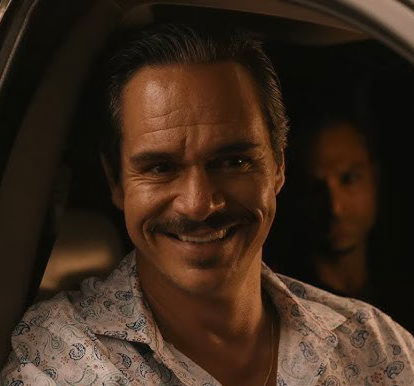
That smile. That goddamned smile. You do not want to cross paths with this charming villain (or maybe you do, we don't judge), but if you're gonna die, there are worse ways to go.

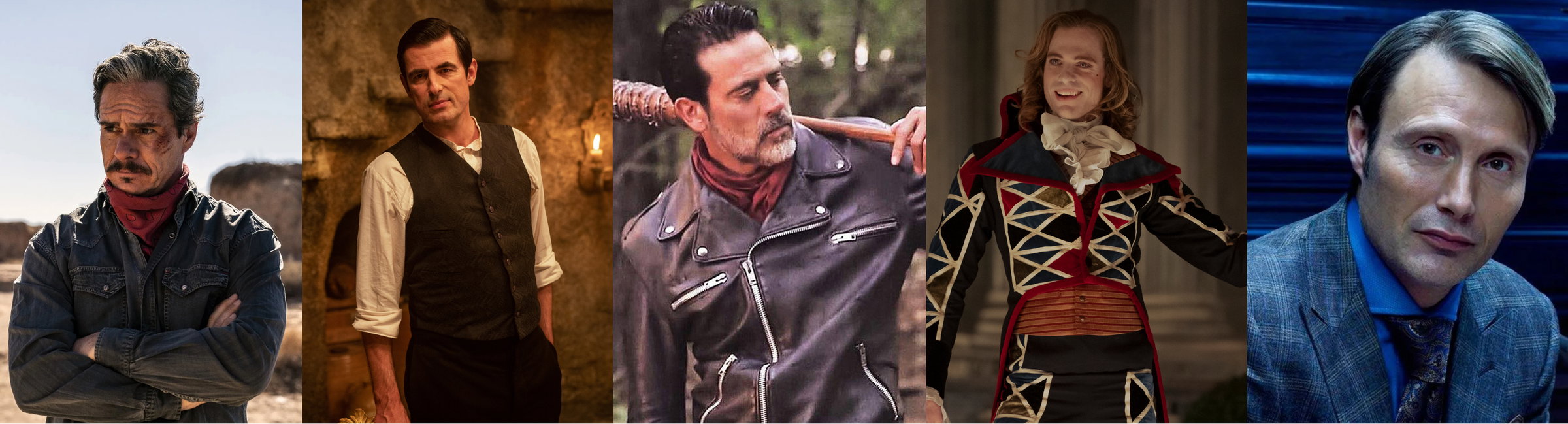
The Case for Villains.
I have always been drawn to a good villain.
Not the flat, mustache-twirling caricature, but the kind who pulls you in with charm and humor. The kind you fall for before you even realize you’re in trouble. I want to know what shaped them, what they’ve lost, what they want, and why.
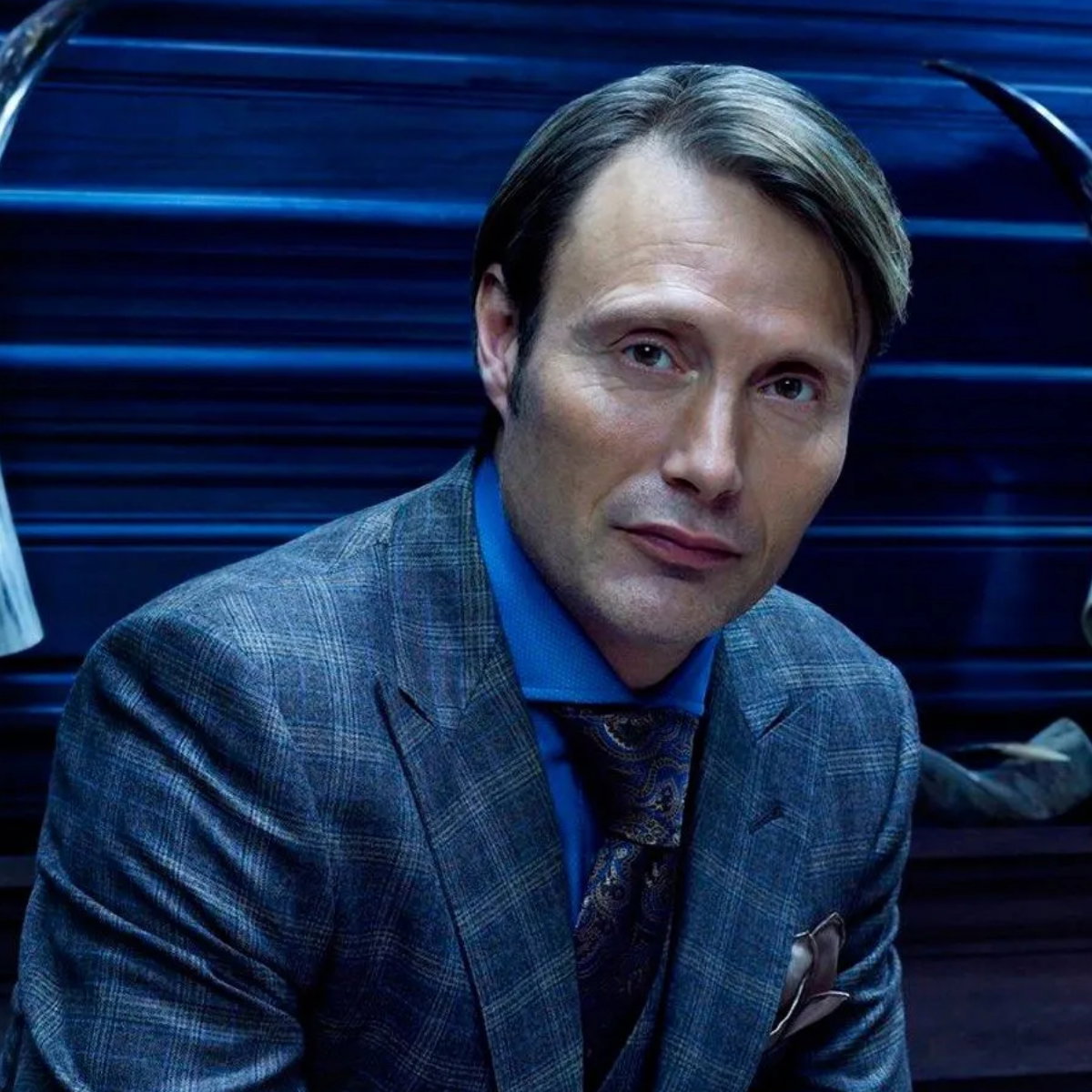
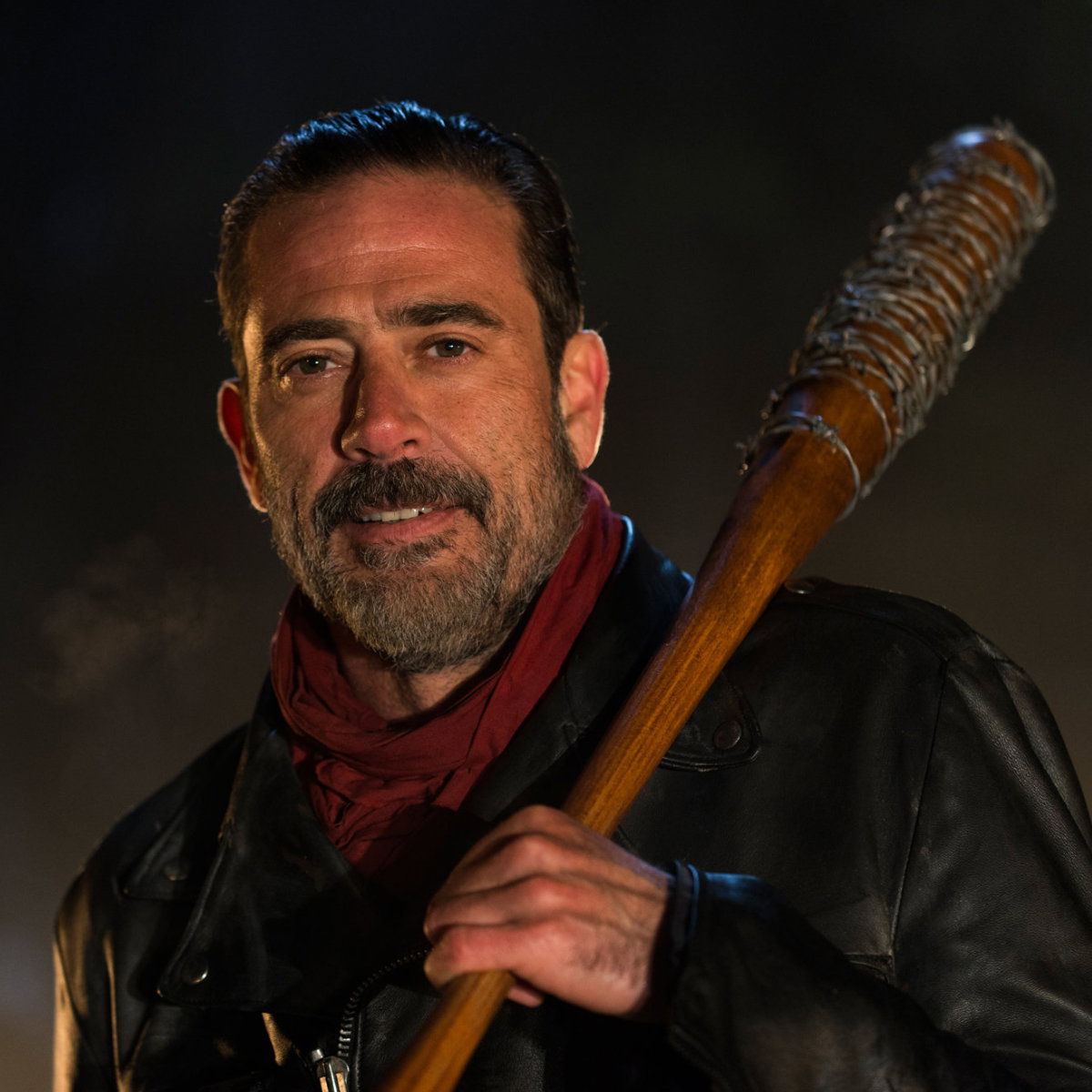
Good villains carry a distinctive, magnetic presence, and many of them are, frankly, unfairly beautiful. I’m fascinated by the contradiction of them: effortless charm balanced against savage ruthlessness, beauty against monstrosity, seduction against brutality. Dracula embodies that tension perfectly. That’s why I gravitated to him for my debut novel. He is the ultimate villain, the perfect case study to pull apart, layer by layer, to discover what’s hidden beneath.
This fascination also grew out of my lifelong love of horror. Dark stories have always felt more vibrant and honest to me. Monsters, vampires, beauty inside the grotesque, and the atmosphere: a dark, misty forest, a creepy castle, a swamp with murky water and gnarled, moss-covered roots. These places feel alive to me. They become characters in their own right. And what horror gives us, in a way other genres can’t quite touch, is permission to look at our darkness: the lie behind the beauty, the realness of humanity in all its messy glory.
That is what I love most: characters who are complicated, even contradictory, and deeply human, even when they are anything but human. I’m drawn to sympathetic villains because most of them don’t see themselves as villains. Their motives make sense to them. Their choices follow a logic, sometimes a misguided or brutal one, but a logic nonetheless. When you take the time to understand these characters, your perspective can start to shift, sometimes dramatically. I like villains best when I can empathize with them, when I can see the validity in their logic or cause, and even better, when I agree with them.
To me, that is a much richer experience.
The devils we dare to love


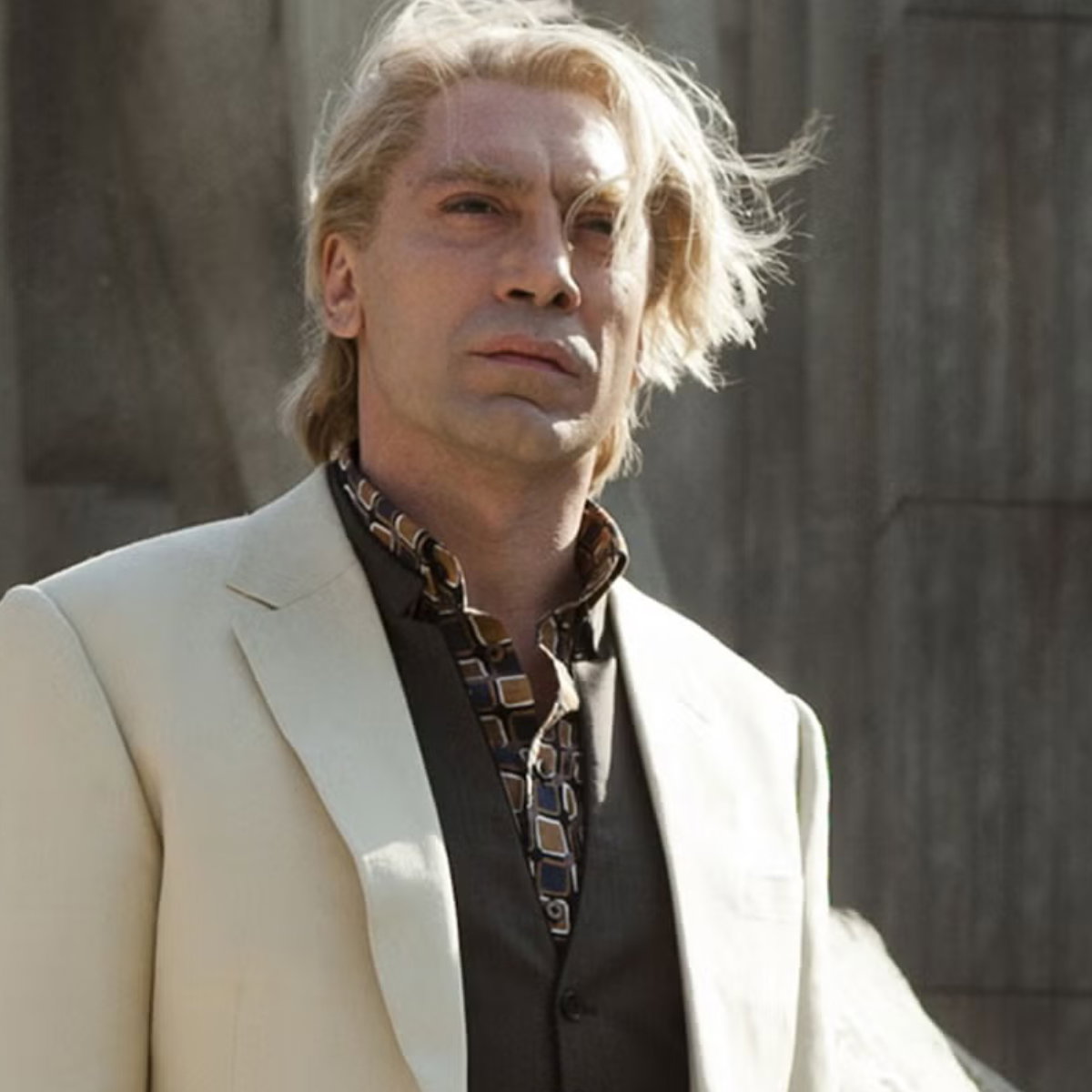
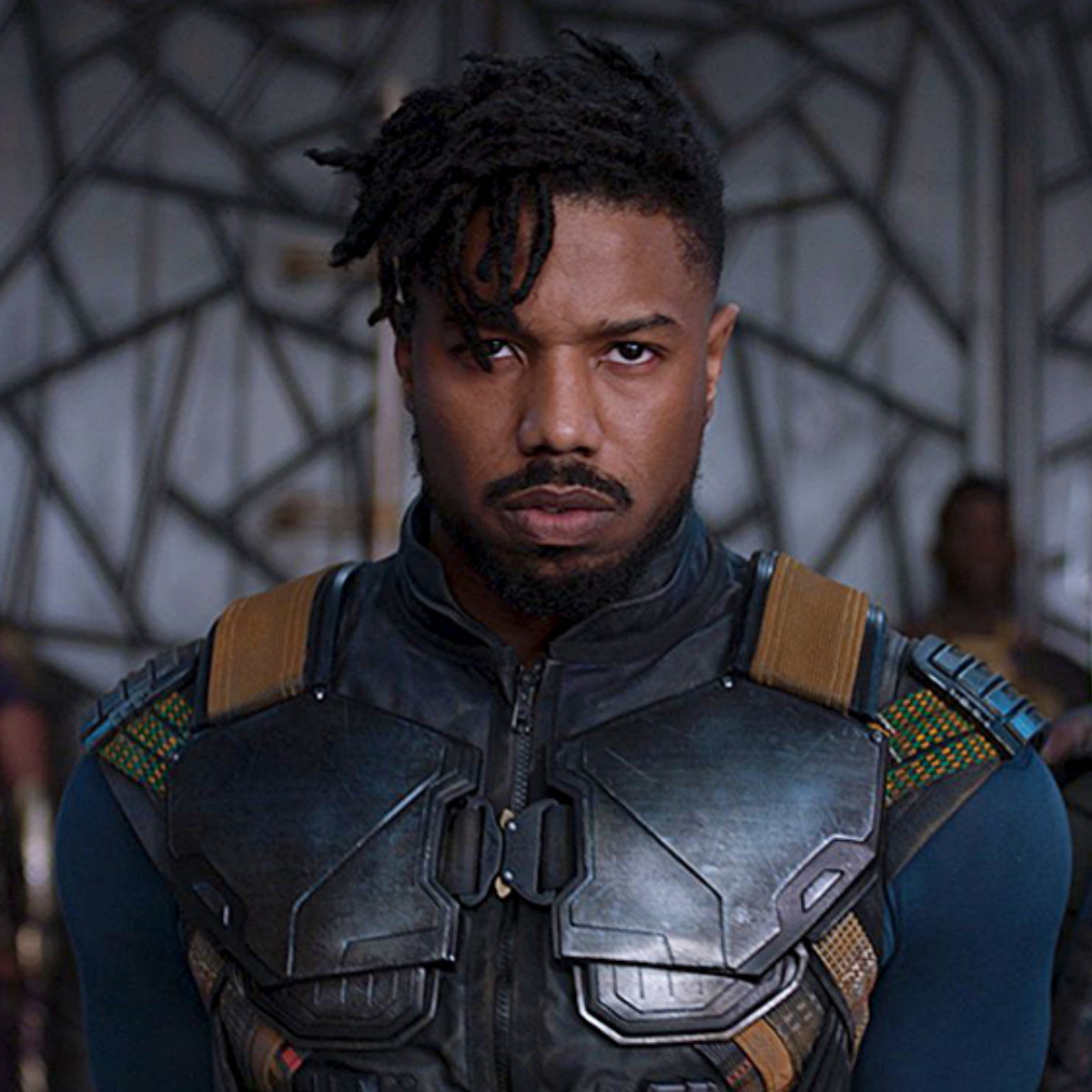
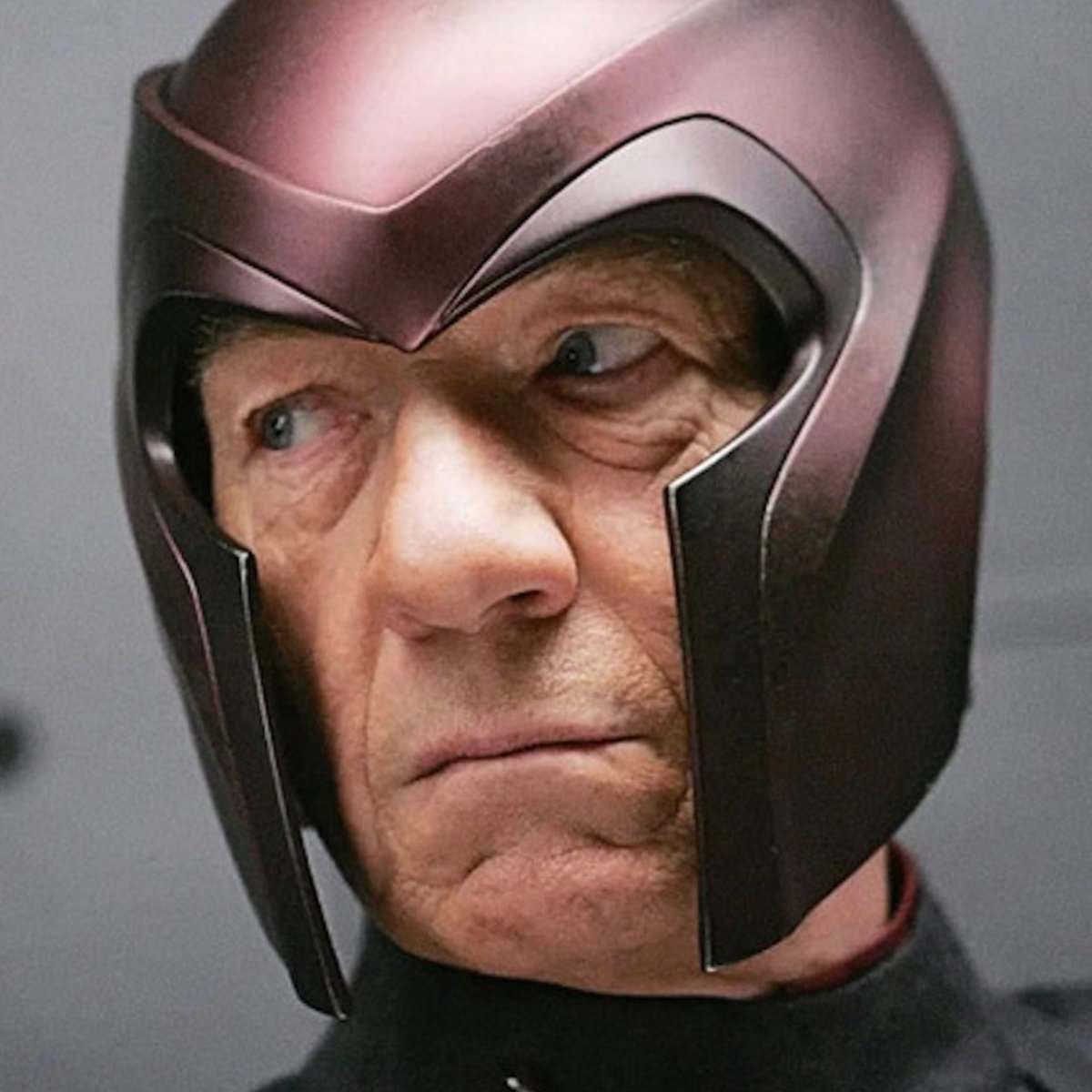
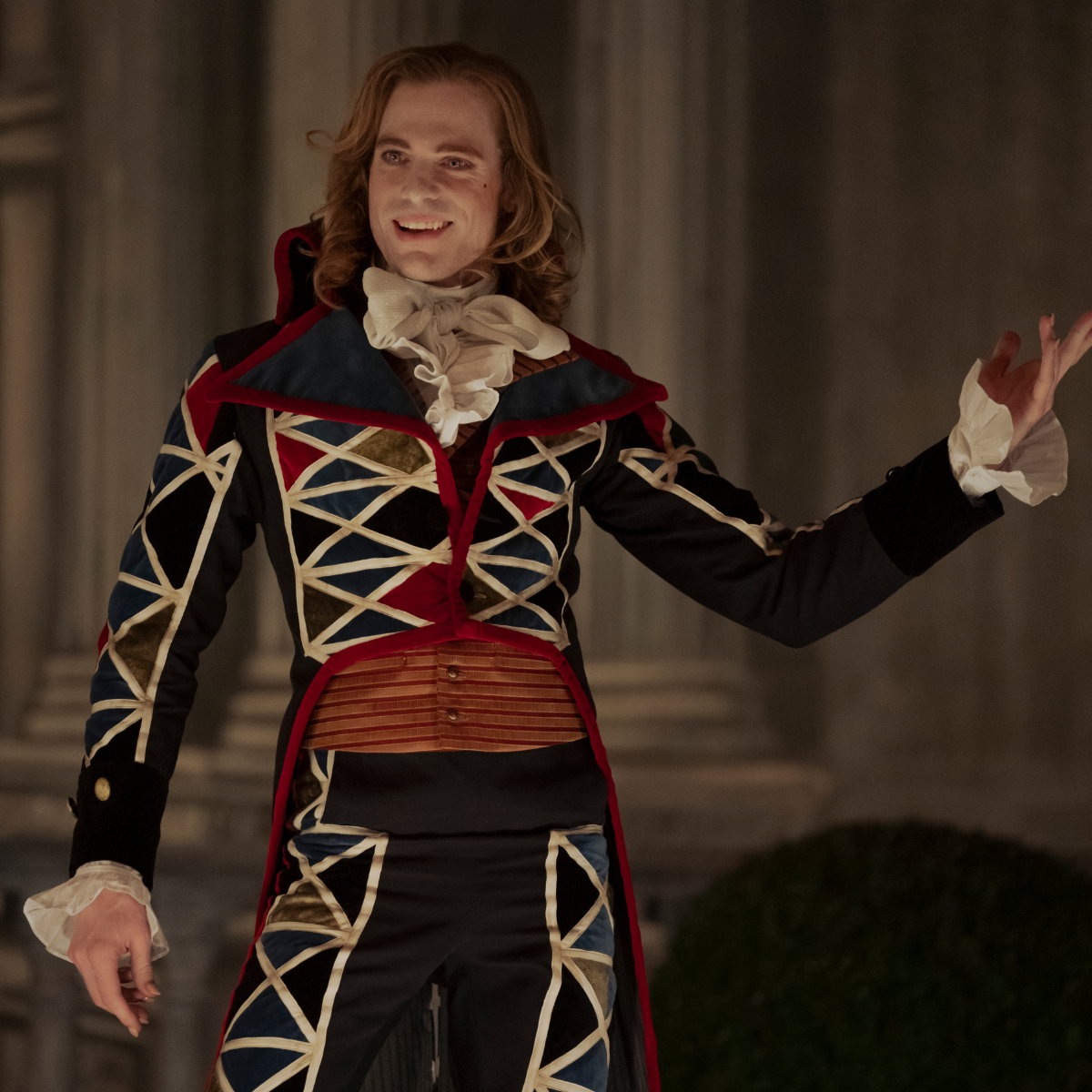
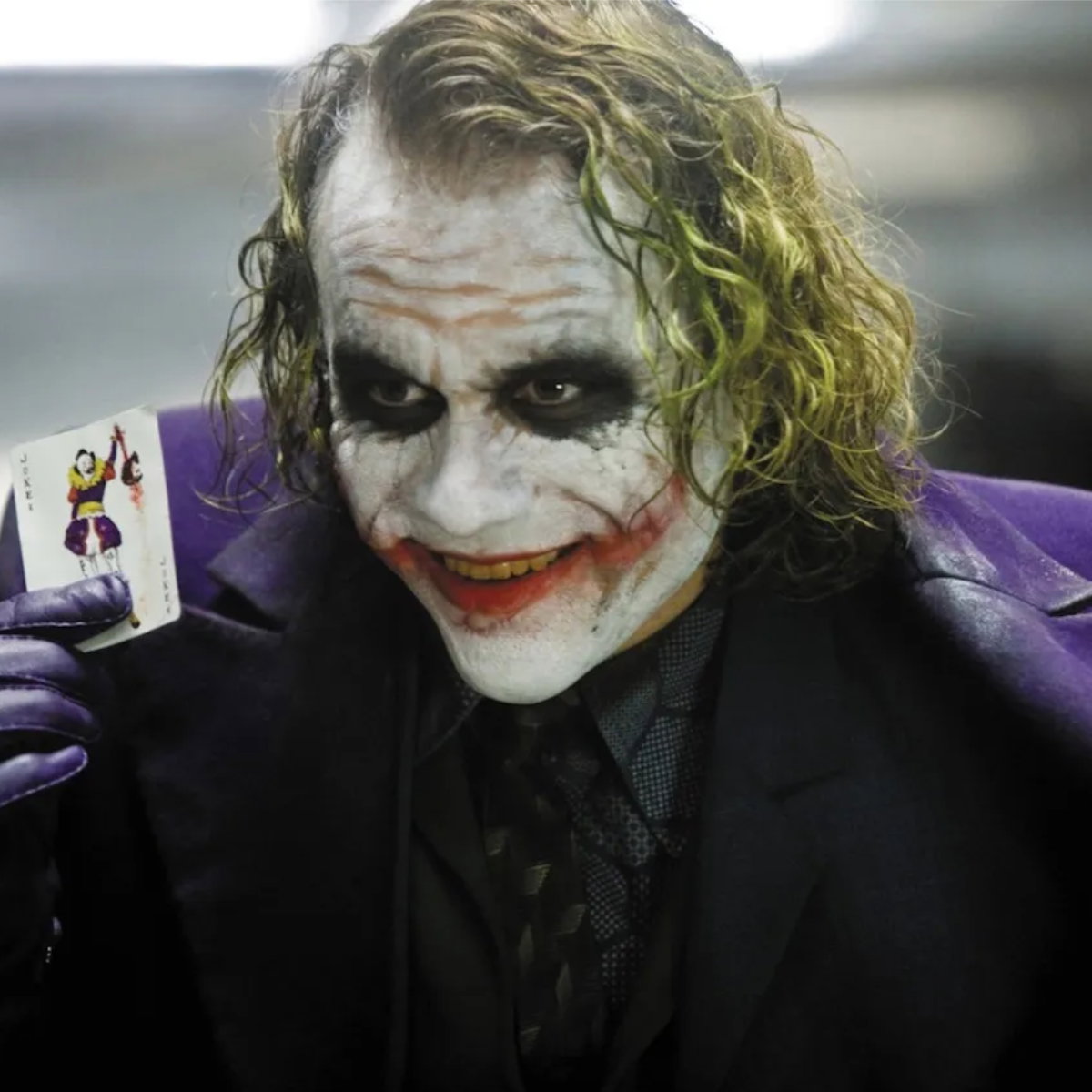
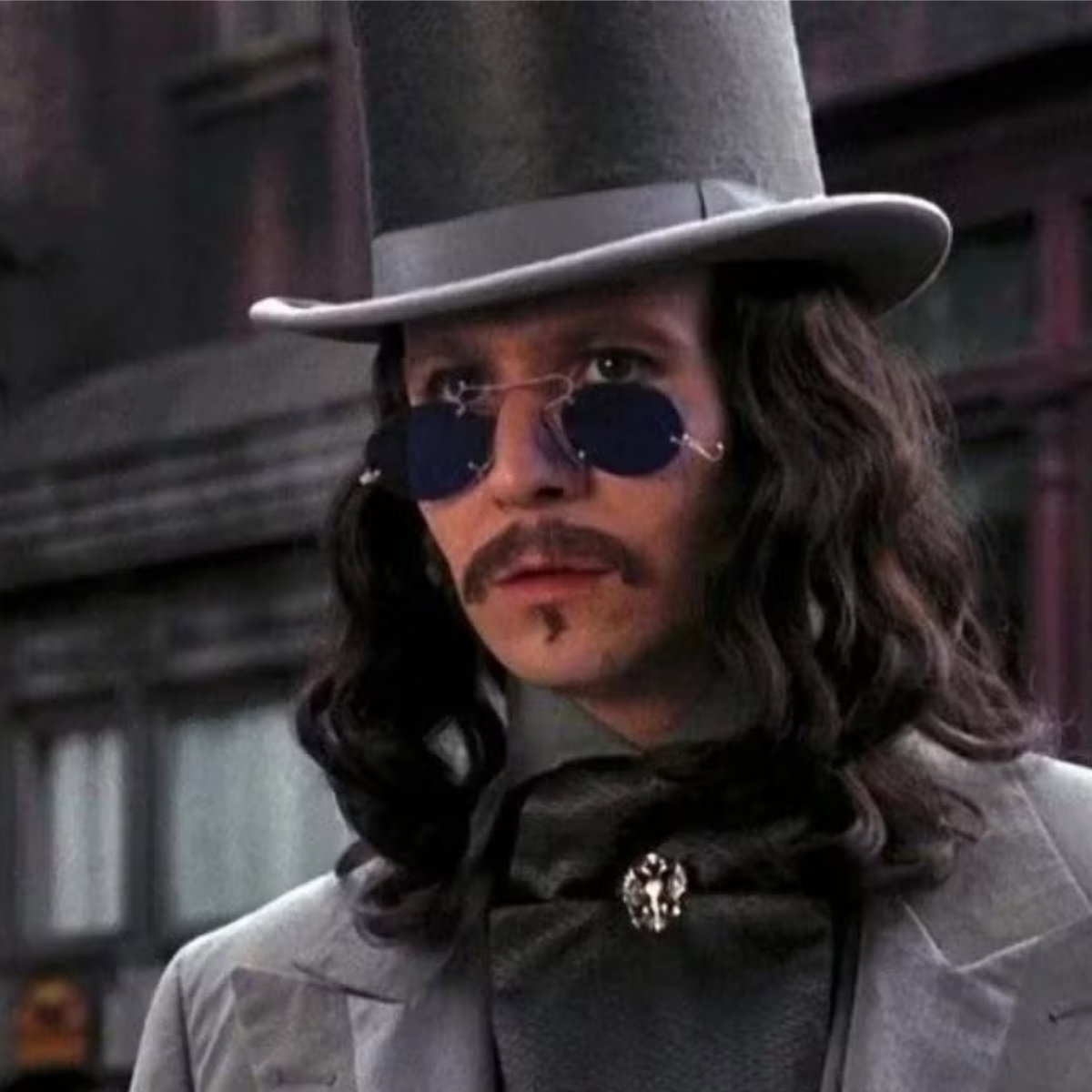

Of all the bad boys, Dracula was my first. He set me on this path, he was the beginning. He’s cheeky, wry, entirely unapologetic, handsome and disarming, and capable of an unsettling amount of violence, yet his greatest crime is survival. If vampires existed and you were turned into one, you’d be labeled a monster instantly. Of course you would. People don’t tend to sympathize with something that wants to eat them.
But aside from the fangs and the hunger, what if you hadn’t changed? Would you think it fair to be condemned for what you are? For surviving the only way you can? Dracula is almost always viewed through the eyes of his victims. I’ve always wanted to see the world from his point of view. And I’m far from the only one who’s been drawn to him. For more than a century, Dracula has captivated our collective attention. We keep resurrecting him, romanticizing him, reimagining him, even parodying him, because something about him fascinates us.
Part of Dracula’s staying power lies in how seamlessly he’s been woven into our cultural consciousness. Films, shows, plays, musicals, comics, cartoons, children’s parodies. Adaptations, retellings, prequels, sequels. Even home decor, Halloween swag, cereal mascots, countless collectibles. He’s everywhere. And it starts early. We’re introduced to Dracula before we’re old enough to be afraid of him. When you grow up with a character like The Count on Sesame Street, Dracula comes to feel less like a monster and more like someone you've known your whole life.
It's no real mystery why we love him so much, even when we hate him. Dracula is one of the most compelling and enigmatic villains ever created, and I wanted to tell the story of who he was before he became our monster.
You Might Also Be Interested In…

© Copyright 2026 Rian C. Stone. All rights reserved.